Airflow
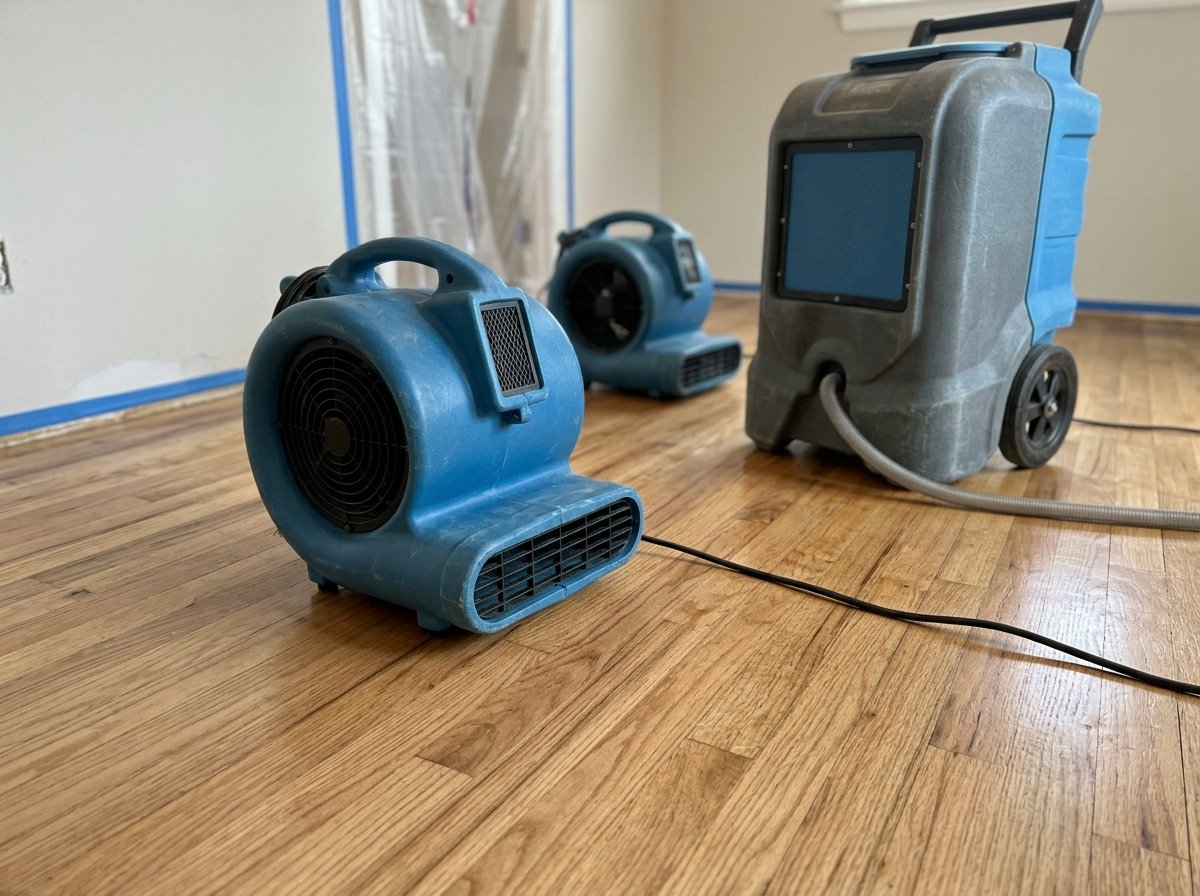
Air movers sweep moist air off wet surfaces so more moisture can evaporate.
STRUCTURAL DRYING & DEHUMIDIFICATION
Your floors might feel dry, but walls, subfloors and framing can stay wet for weeks. We dry the whole structure and prove it with daily readings.
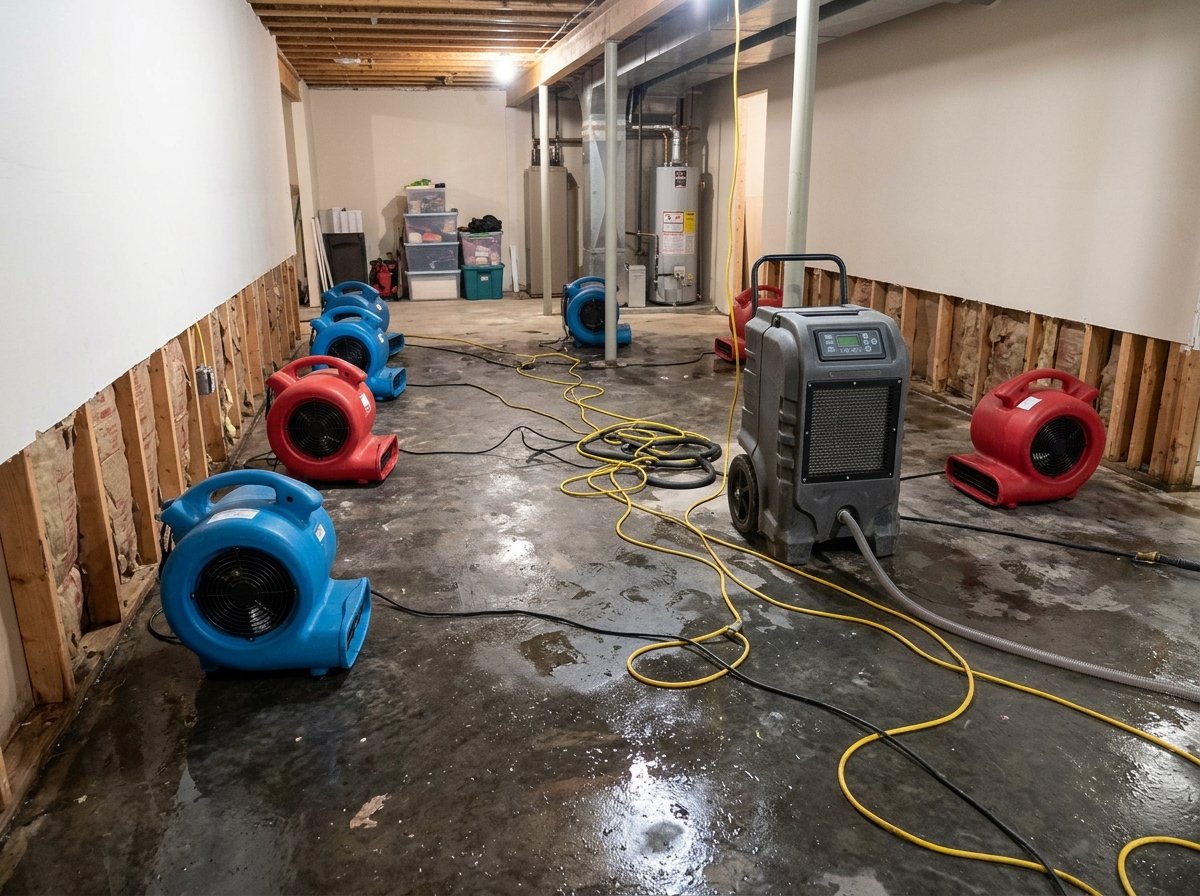
Colorado's dry air helps, but it isn't enough on its own. Wet drywall, wood framing and subfloors hold water deep inside, and that hidden moisture is what leads to mold, odors and warped floors.
We set up a drying plan for each room based on its materials and how wet they are, then adjust the equipment every day until readings reach their dry standard.
Air movers sweep moist air off wet surfaces so more moisture can evaporate.
Dehumidifiers pull that moisture out of the air so it doesn't settle back in.
Controlled warmth speeds evaporation without damaging finishes.
Most homes are dry in 3 to 5 days. Here's how a typical job runs.
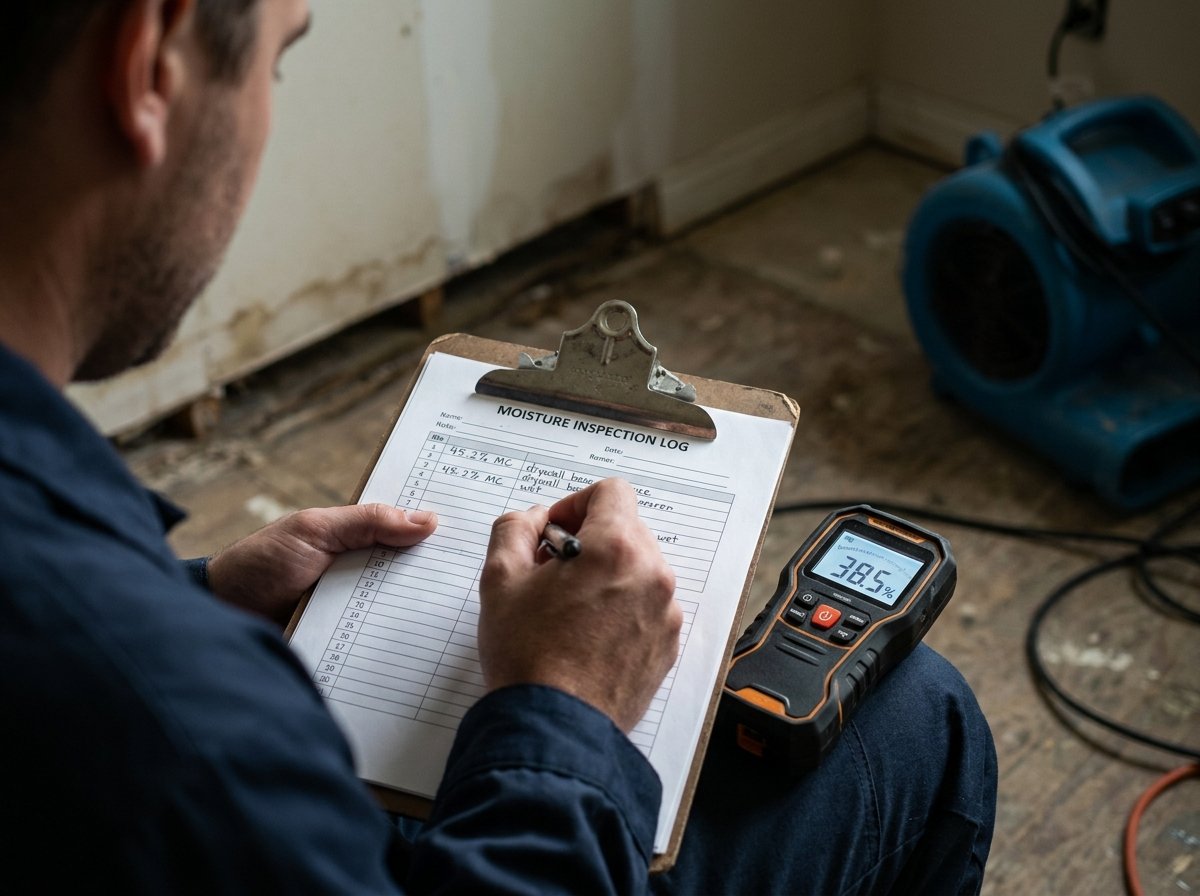
Extraction, moisture mapping and equipment placed in every affected room.
Readings taken and equipment repositioned toward the wettest areas.
Dry rooms have equipment removed; wet areas get more airflow.
Final readings meet dry standard and all equipment is removed.
A damp, earthy smell days after the water is gone.
Wood boards with raised edges and a sunken middle.
Paint or wallpaper lifting off walls.
Yellow or brown rings spreading outward.
Walls or floors that feel cooler than nearby areas.
Speckling near baseboards that may be mold growth.
Drywall can often be dried in place by drilling small vent holes behind baseboards and forcing air into the wall cavity.
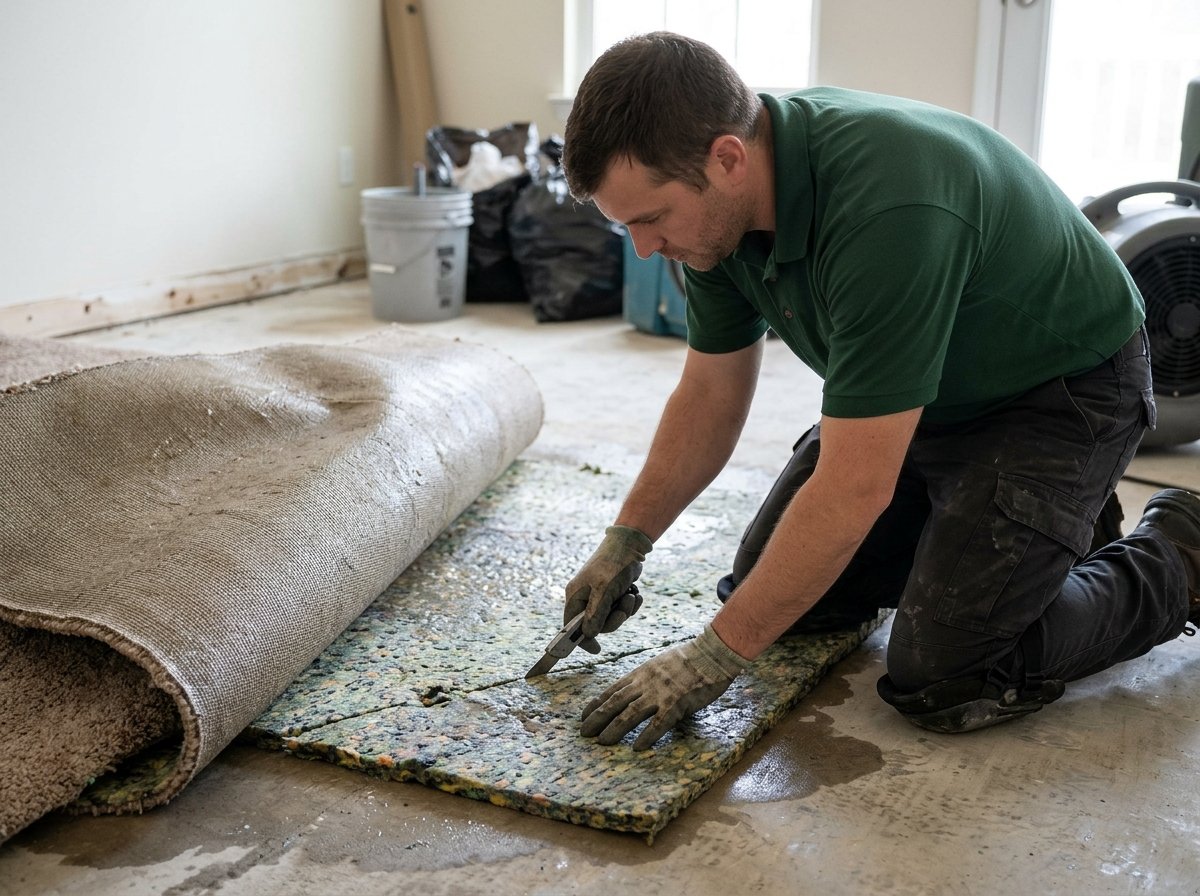
Drying mats pull moisture up through the boards while humidity is kept low to reduce cupping.
Concrete holds a lot of water. We use high-capacity dehumidifiers and heat to draw moisture out of slabs.
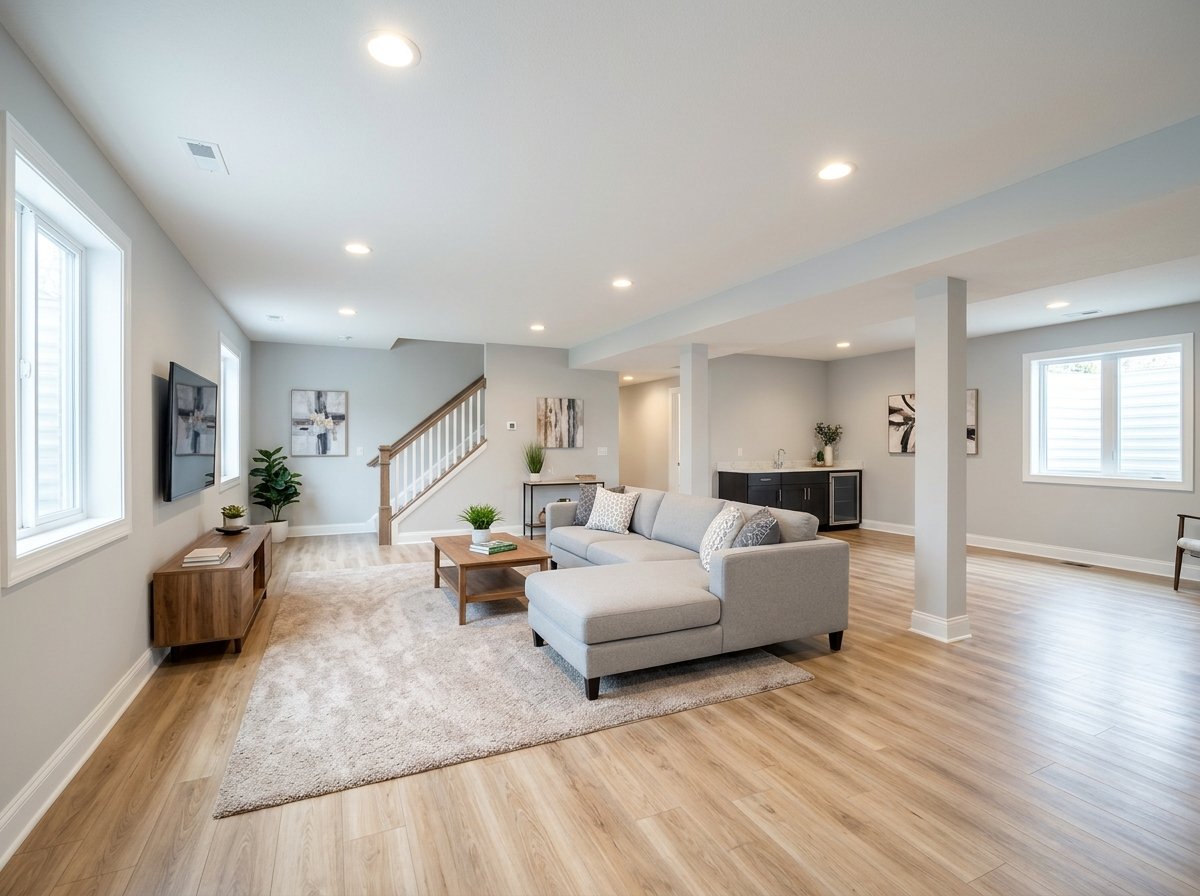
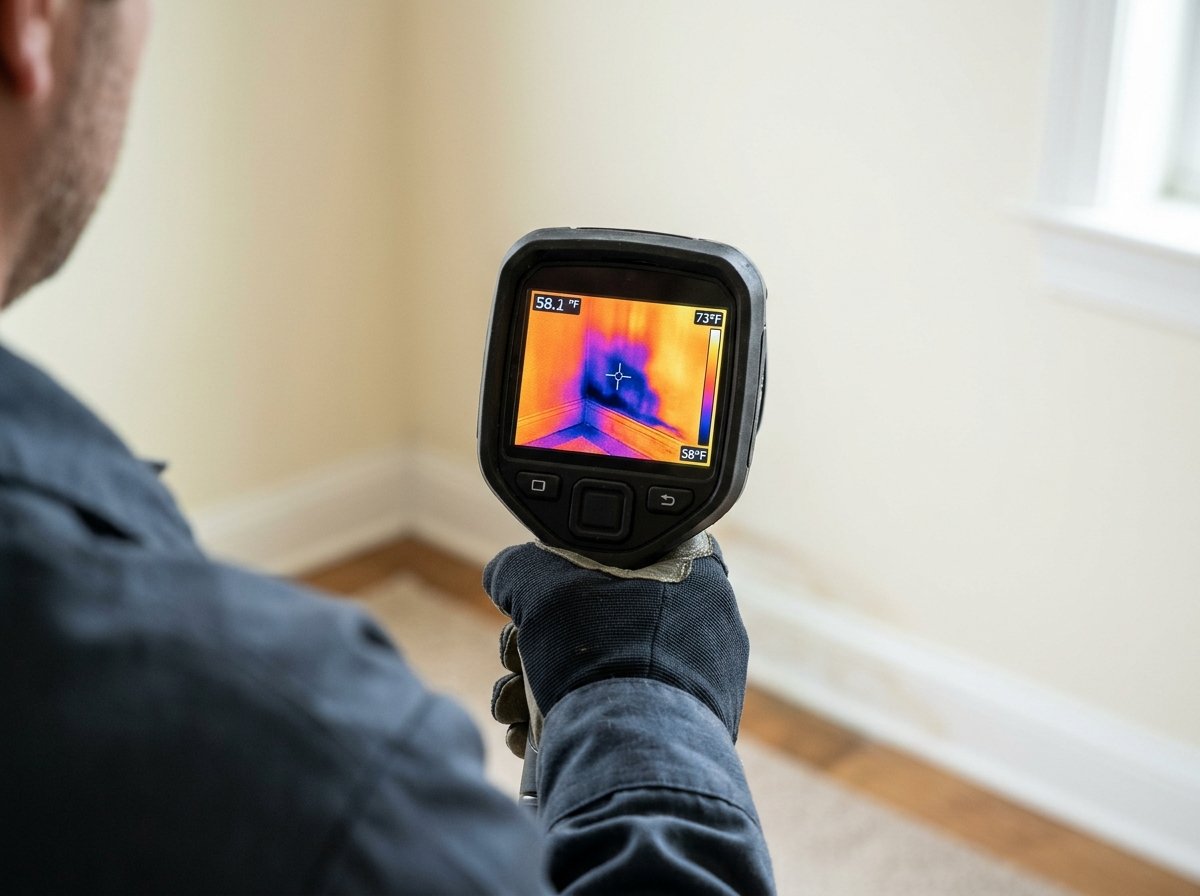
Meters and thermal imaging map every wet area.
Equipment chosen for each room's size and materials.
Air movers and dehumidifiers placed and started.
We log readings and adjust equipment daily.
Equipment removed when every area reaches dry standard.
It's loud and warm, but drying equipment needs to run day and night. Turning it off can add days to the job. Call us if something seems wrong.
Most homes take 3 to 5 days. Hardwood, plaster and concrete can take longer. We'll give you an estimate on day one and update it daily.
Outdoor air can help on dry days, but it can't reach water inside walls and subfloors. Professional equipment controls both airflow and humidity.
Each unit runs on a standard outlet. We spread equipment across circuits so you won't trip breakers.
Not always. We often dry walls in place. Drywall is only removed when it's too wet, contaminated or has started to break down.
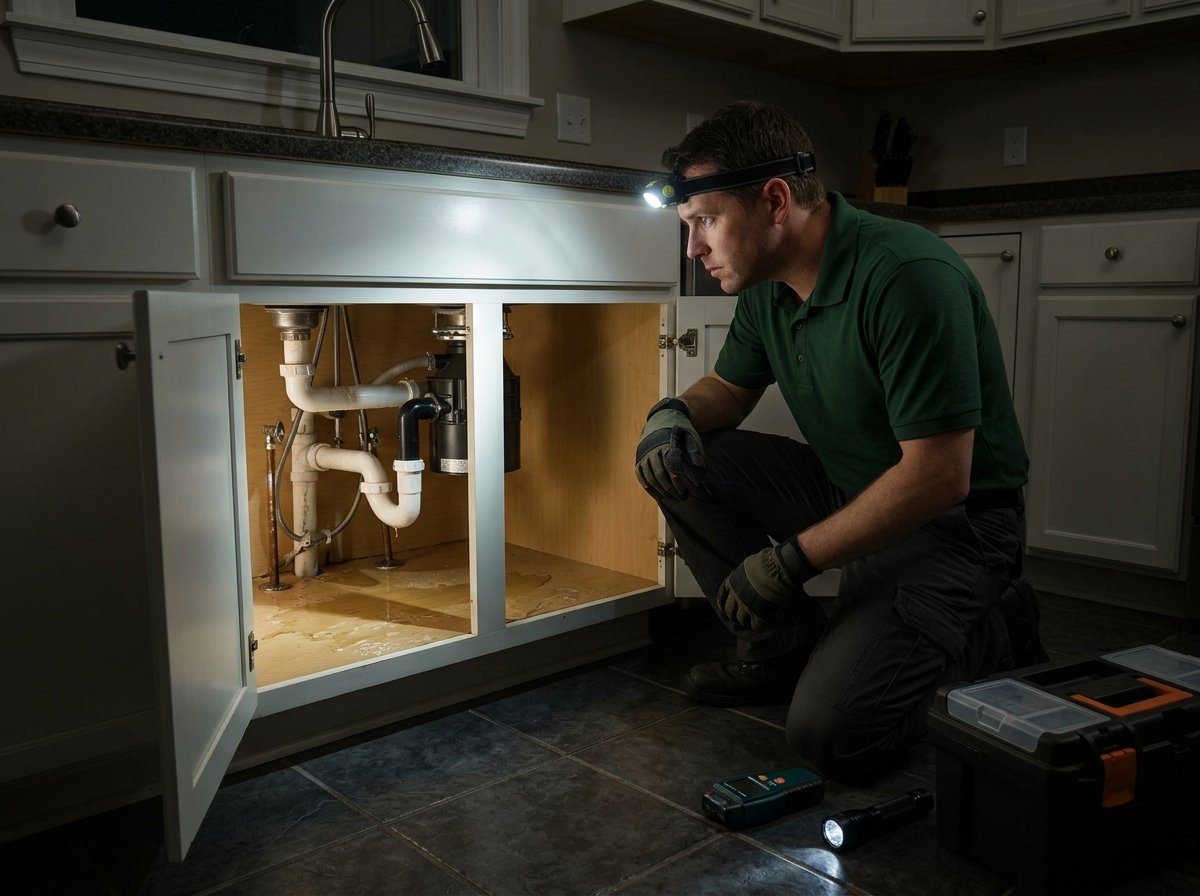
Round-the-clock response to stop active water and start extraction fast.
Learn More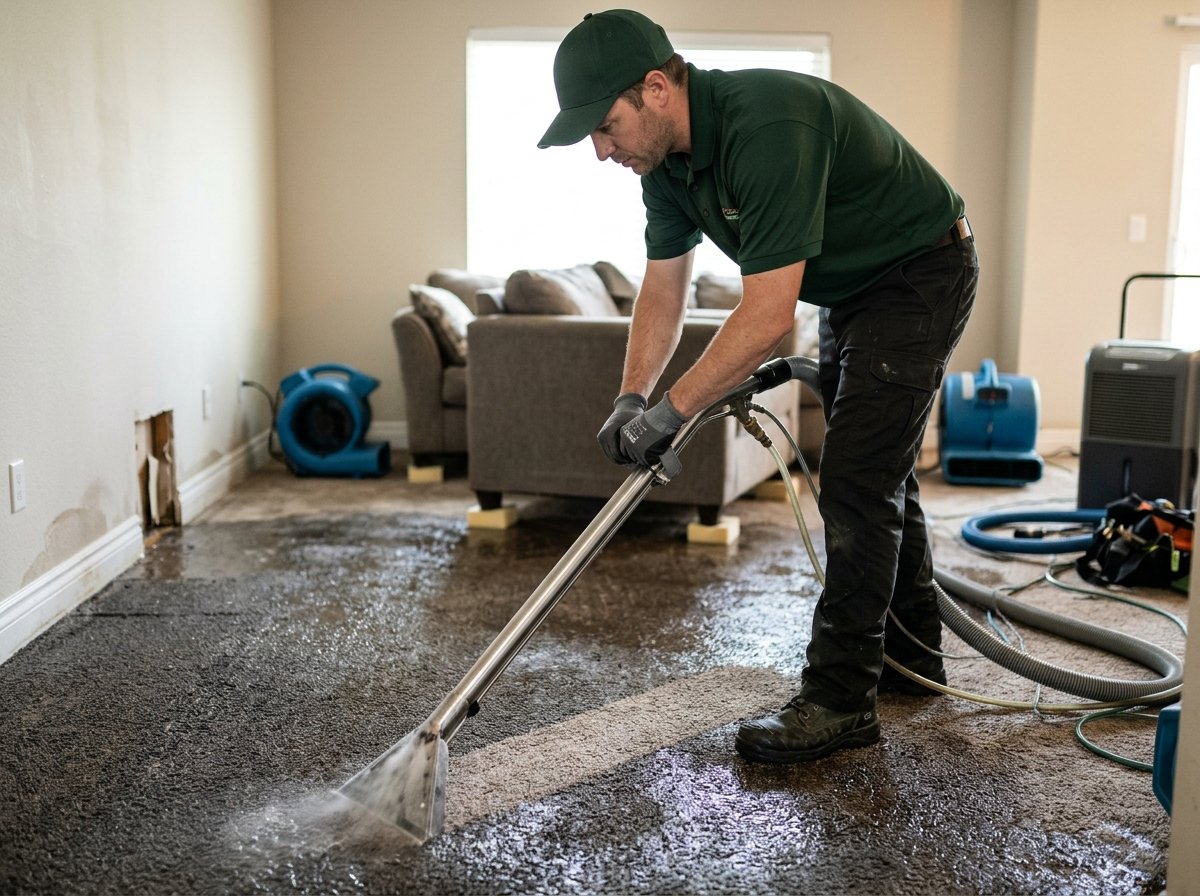
Truck-mount and portable extractors pull standing water out of floors and carpet.
Learn More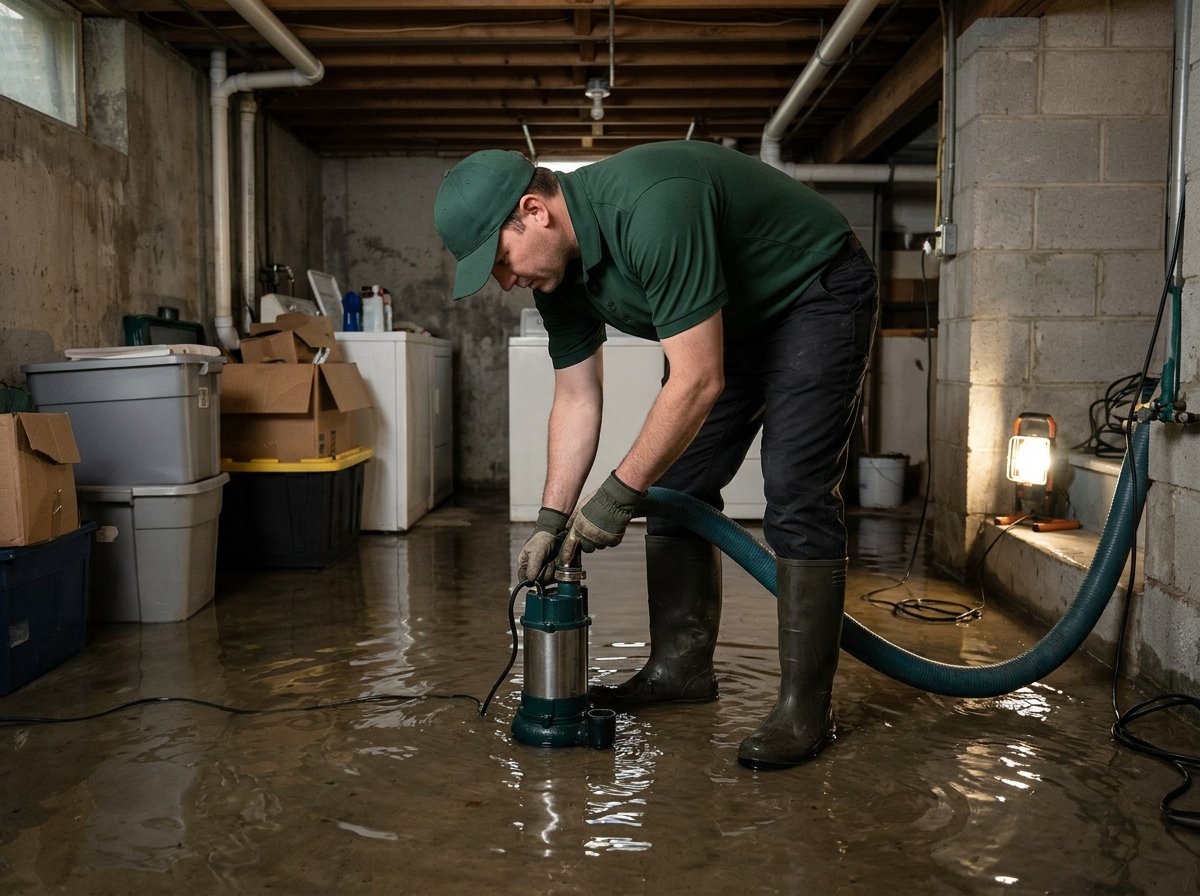
Pump-out, debris removal and drying for flooded basements of any size.
Learn More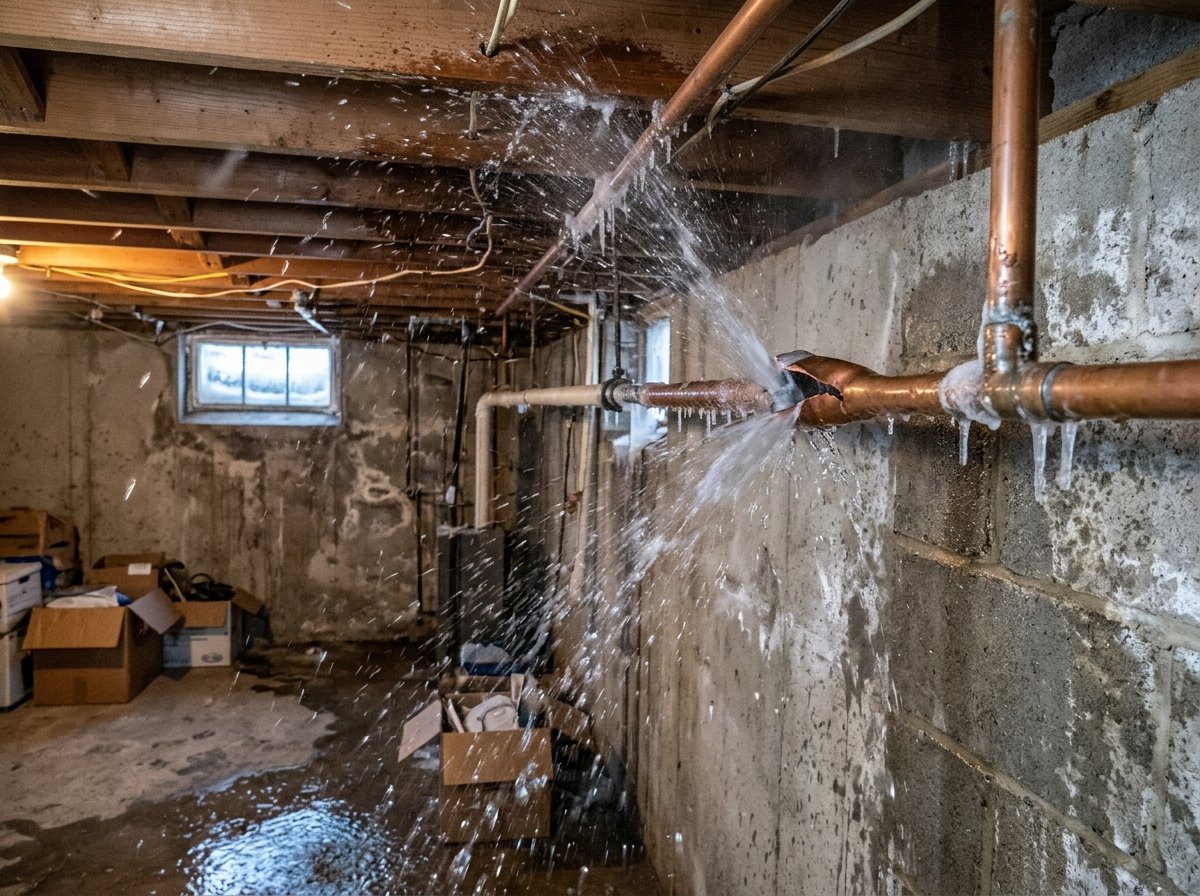
Frozen or failed pipes cleaned up, dried out and documented for insurance.
Learn MoreCarpet and pad extraction, pad replacement and on-site drying.
Learn More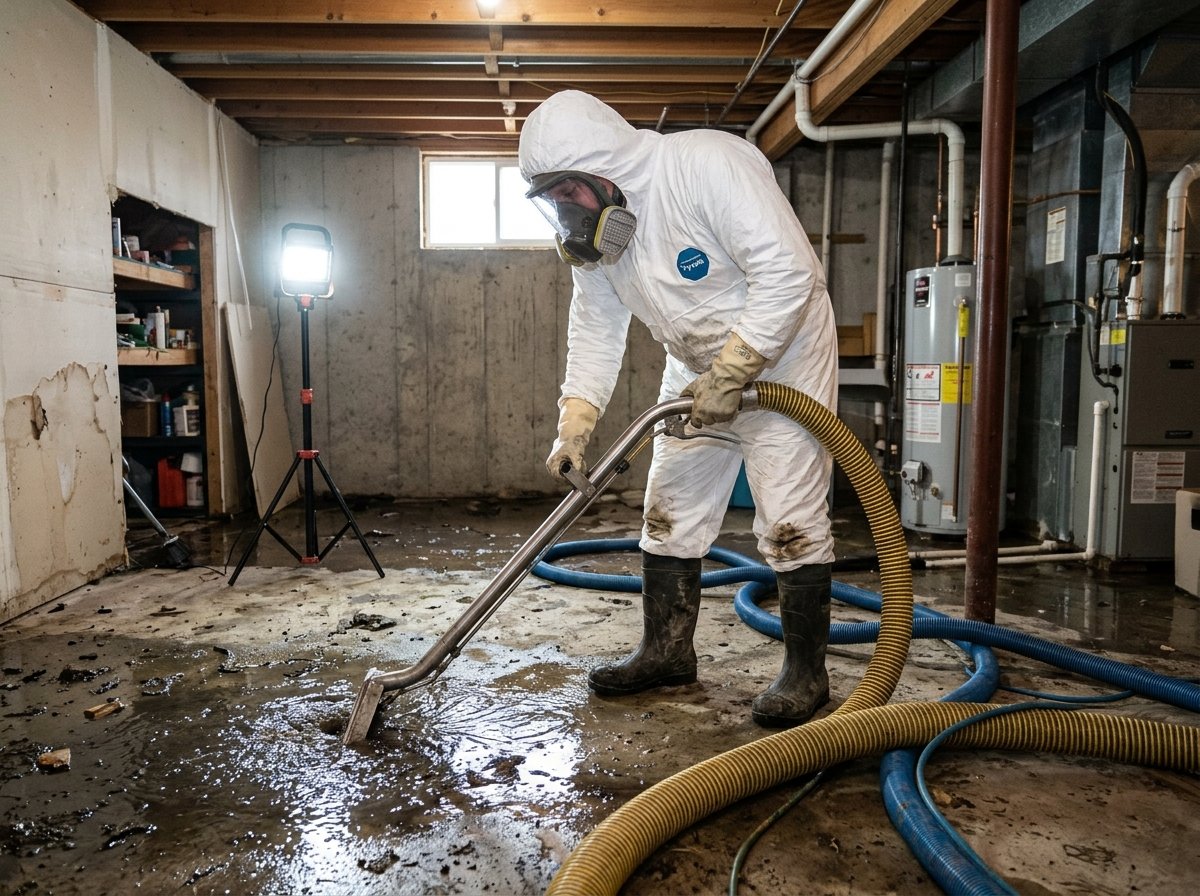
Category 3 water removal with protective gear, disinfection and safe disposal.
Learn More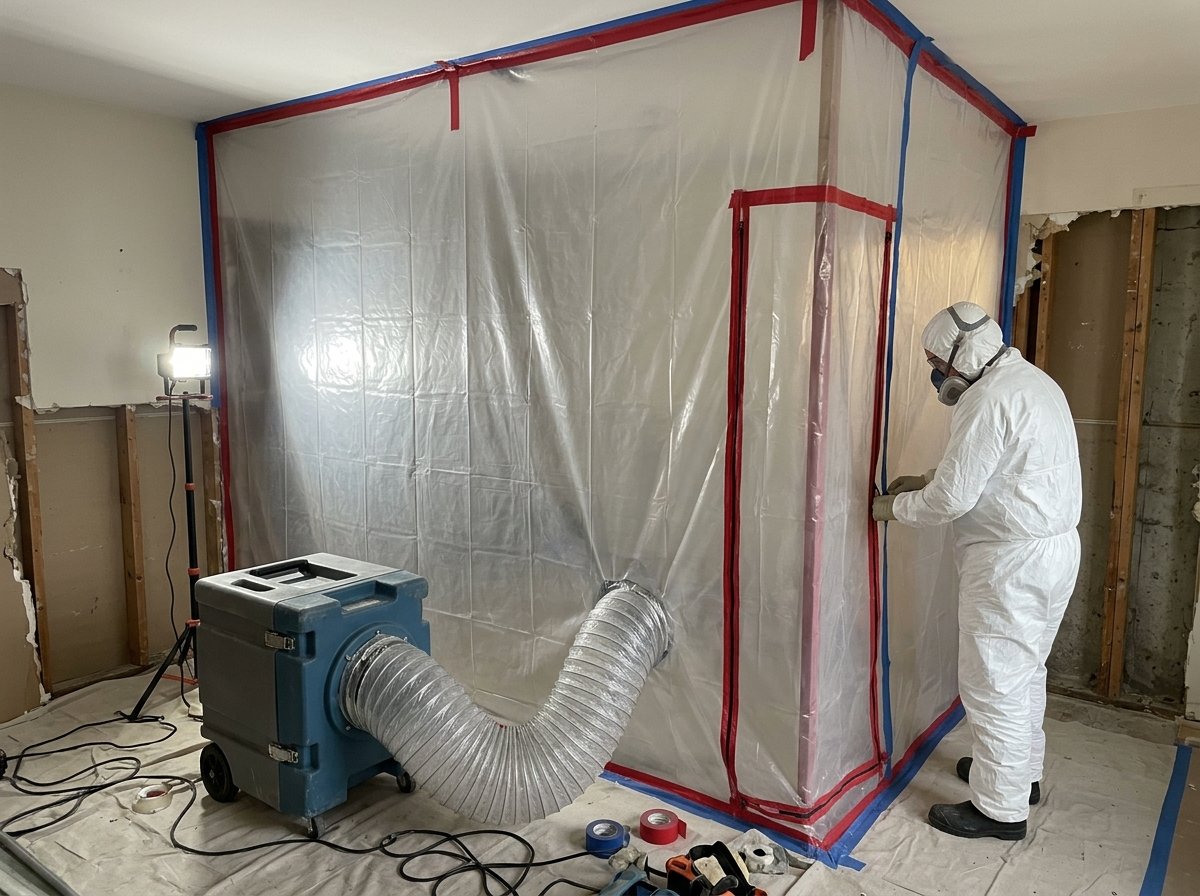
Containment, HEPA filtration and removal of mold caused by moisture.
Learn More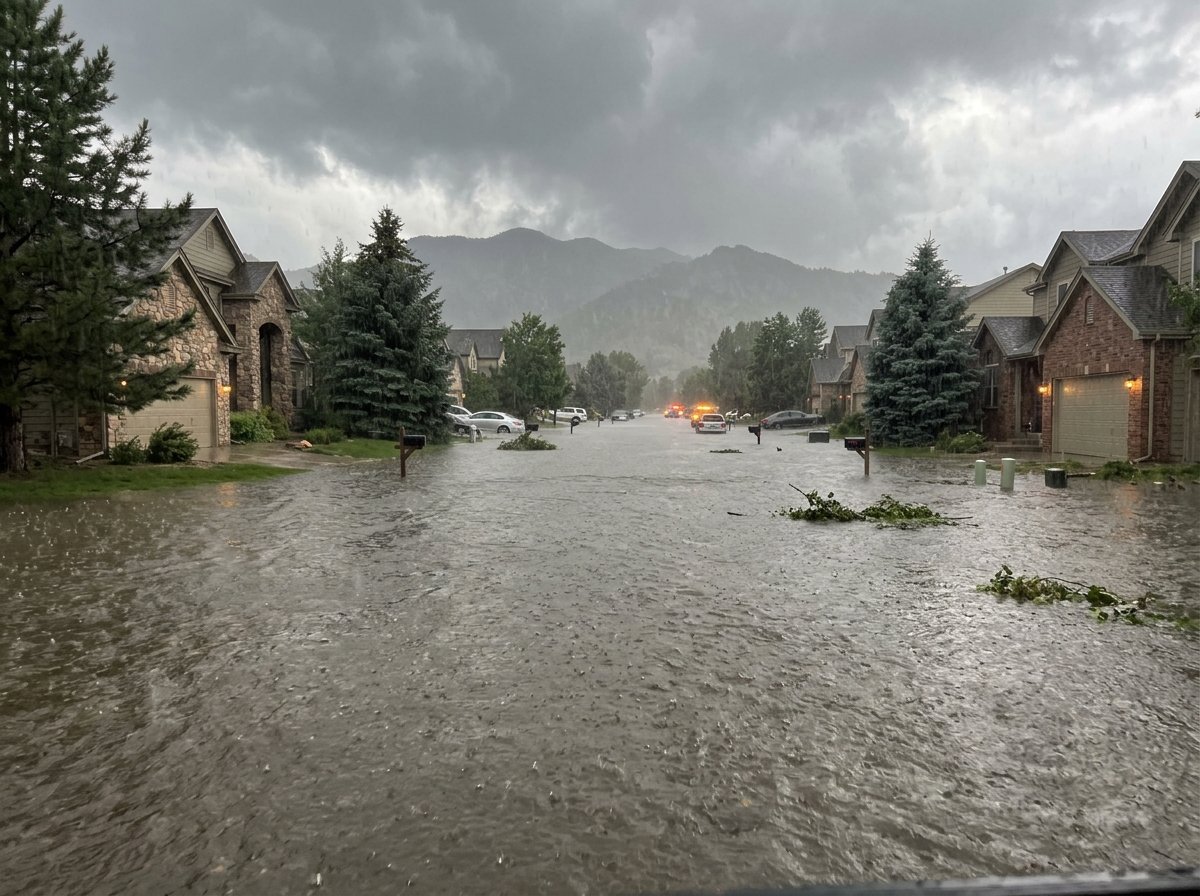
Cleanup after heavy rain, hail and flash floods across the Front Range.
Learn More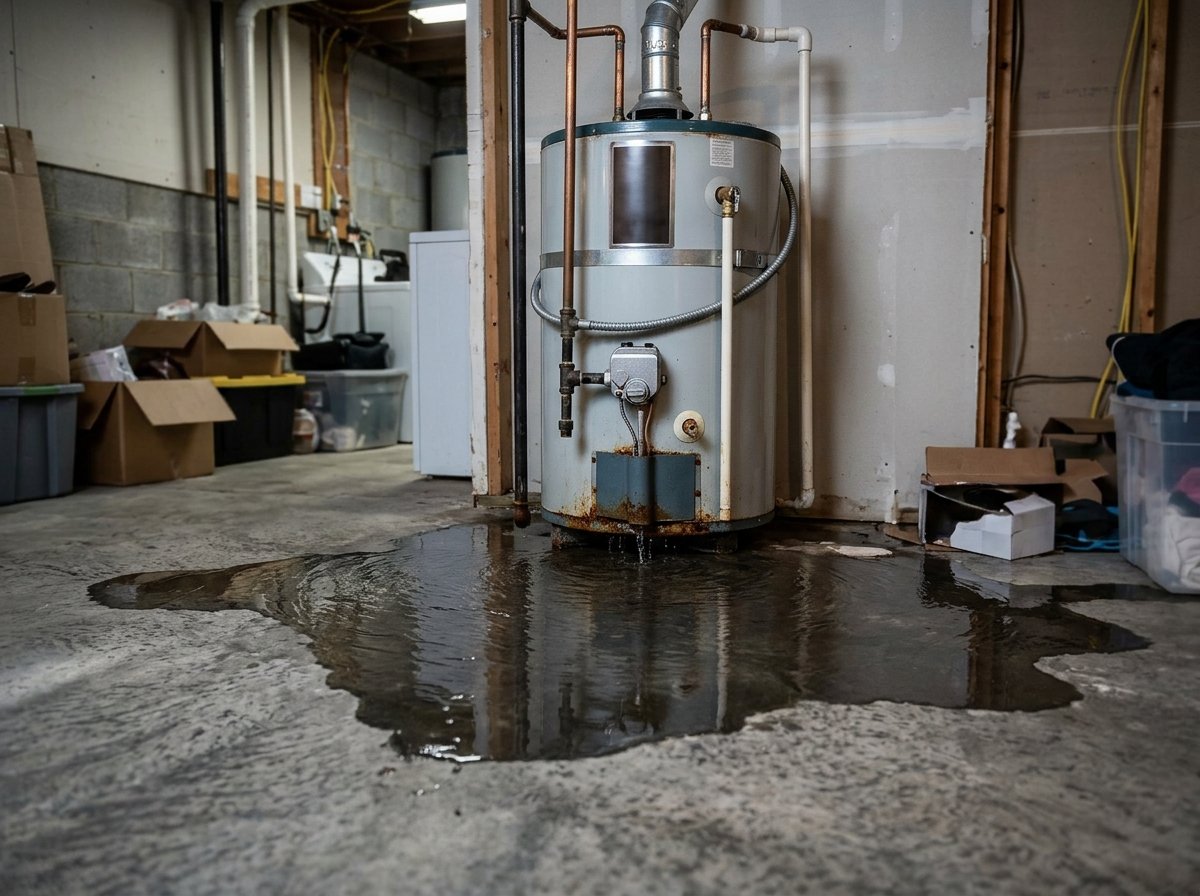
Water heater, washer, dishwasher and fridge line leaks cleaned up fast.
Learn MoreCall any time, day or night. A real person answers and a crew is dispatched to your door.